


Rode NT1 5th Generation
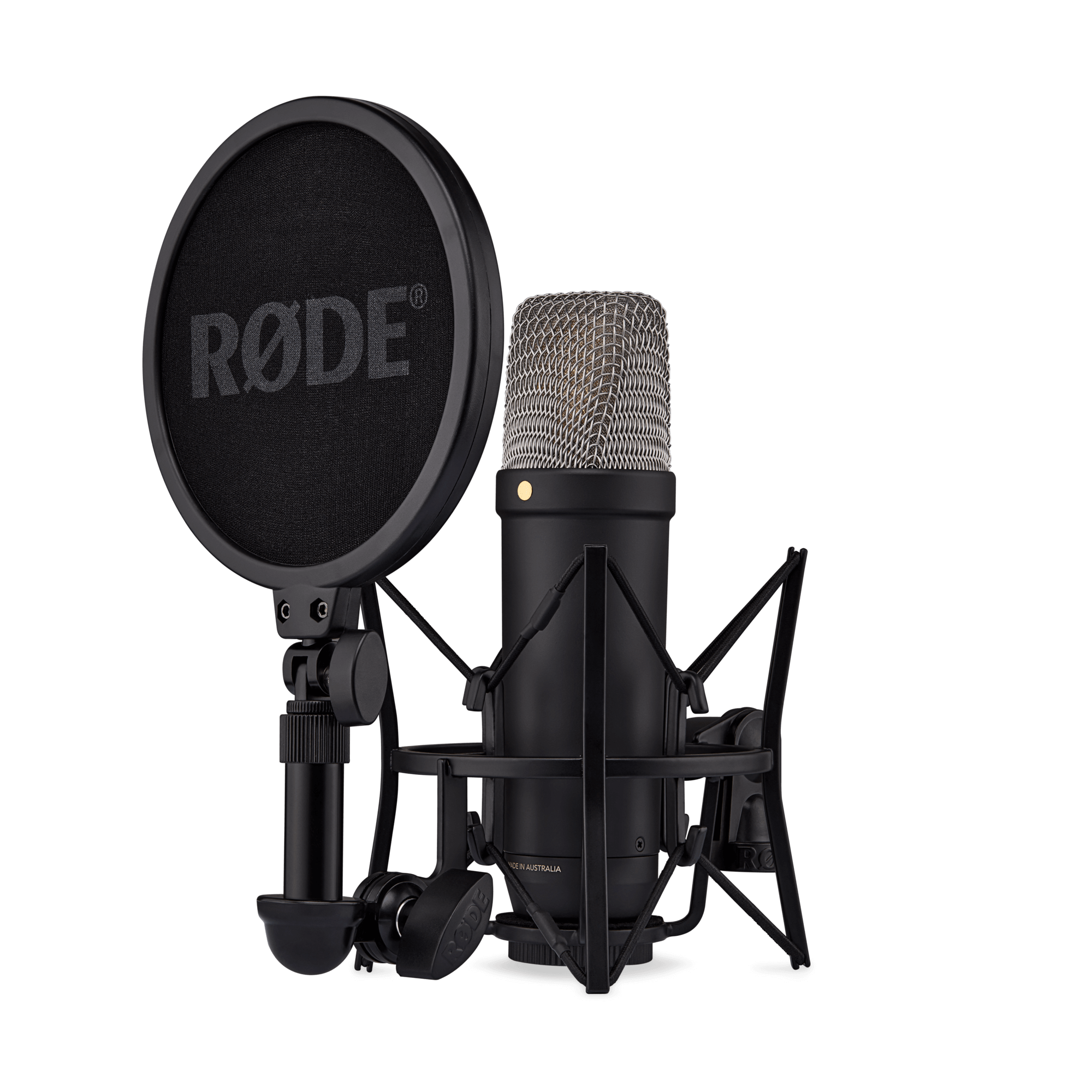
- Connection options: USB and XLR
- 32-bit float: Available only when used via USB
- Included shock mount: SM6
Audio-Technica AT2020
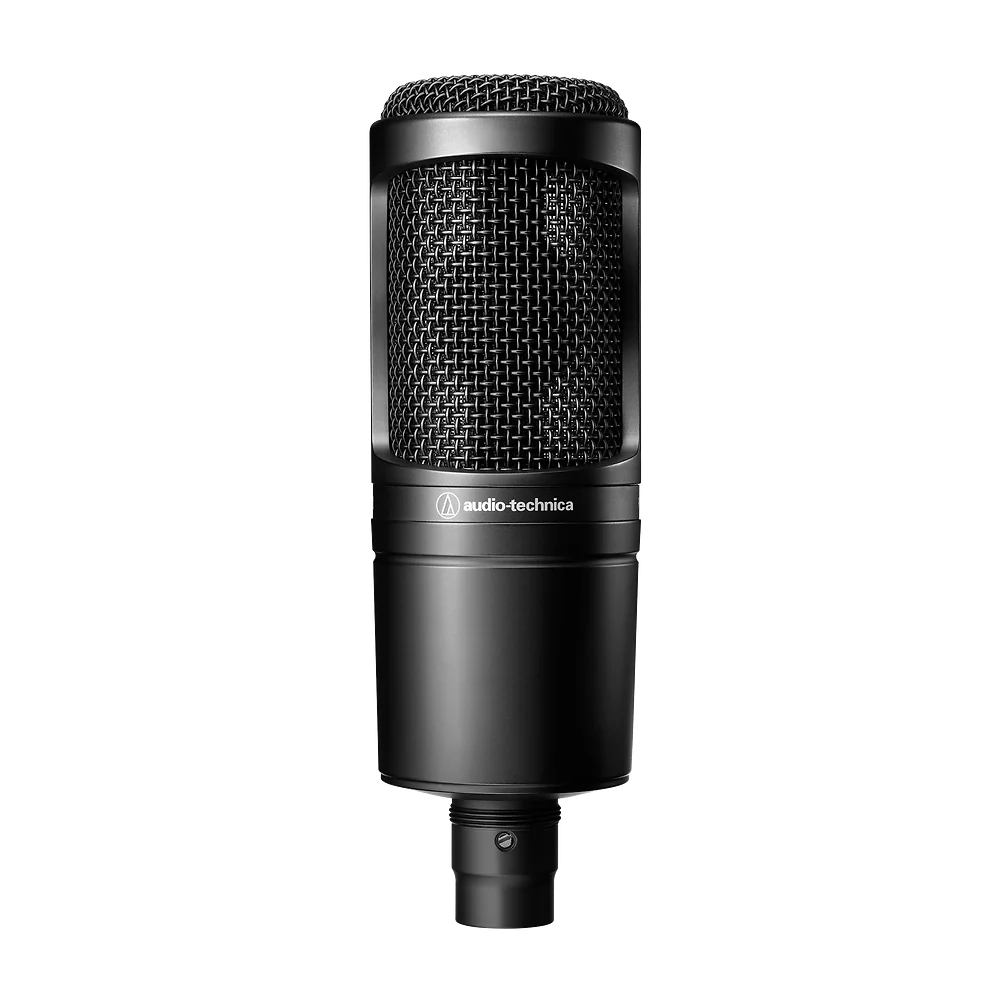
- Microphone type: Condenser
- Polar pattern: Cardioid
- Phantom power: 48V DC
Shure SM7B

- Microphone type: Dynamic
- Output connector: 3-pin XLR male
- Onboard filters: High-pass filter and presence boost
The Rode NT1 5th Generation is the best overall microphone for recording vocals at home because its USB and XLR connections suit different setups, while USB use adds 32-bit float recording. Choose the Shure SM7B for a dynamic XLR workflow, the Rode NT-USB+ for direct USB-C recording, or the Audio-Technica AT2020 for a standard XLR condenser setup.
For the wider category, see best home theater audio.
Another focused comparison is our best audio interface for home studio.
How do our recommended picks compare?
| Product | Best for | Microphone type or capsule | Connection or power | Documented feature |
|---|---|---|---|---|
| Shure SM7B | XLR dynamic setup with adequate clean gain | Dynamic | 3-pin XLR male | High-pass filter and presence boost |
| Rode NT-USB+ | USB-C recording with integrated DSP | 1/2-inch gold-plated condenser capsule | USB-C | High-pass filter, noise gate, and compressor |
| Audio-Technica AT2020 | Cardioid condenser on an XLR chain | Condenser | 48V DC phantom power | Cardioid |
| Rode NT1 5th Generation | Flexible USB or XLR home recording | Studio condenser microphone | USB and XLR | 32-bit float via USB only |
Which microphone for recording vocals at home options should you compare?
1. Shure SM7B Another Option
The Shure SM7B is the best fit here for a home vocalist who specifically wants a dynamic microphone and already has a suitable XLR recording chain. Its switchable high-pass and presence-boost filters are documented tools for changing its frequency response. The central tradeoff is its low sensitivity: the published specification is 1.1 mV/Pa, so plan for an input or preamp that can provide adequate clean gain, particularly for quiet vocals. Plan the interface or preamp choice before buying, rather than treating the microphone as a complete recording setup. It is a focused option for vocalists prepared to build around an XLR workflow.
Best for Home vocalists with an XLR chain and enough clean gain for a low-sensitivity dynamic microphone.
| Microphone type | Dynamic |
|---|---|
| Output connector | 3-pin XLR male |
| Onboard filters | High-pass filter and presence boost |
Pros
- Dynamic microphone with a 3-pin XLR output.
- Switchable high-pass filter and presence boost.
- The microphone has switchable high-pass and presence-boost filters.
Cons
- Low sensitivity means the microphone needs adequate clean gain, particularly for quiet sources.
- XLR connection requires compatible recording equipment.
Buy if You want a dynamic XLR microphone with onboard filters and have a suitable preamp or interface.
Skip if You need a direct USB microphone or cannot provide the clean gain this low-sensitivity microphone requires.
Sources: Product source
2. Rode NT-USB+

The Rode NT-USB+ is a clear choice for a singer who wants a USB-C microphone with processing features built into the recording workflow. Its documented setup includes a cardioid condenser capsule, USB-C digital output, and integrated DSP with a high-pass filter, noise gate, and compressor. That makes it a practical fit when you prefer a direct USB connection and want those processing features. Its tradeoff is the connection path: choose another pick if you specifically want a standard XLR workflow or need the NT1's documented USB-only 32-bit float option.
Best for Home vocalists seeking a USB-C microphone with integrated DSP.
| Capsule | 1/2-inch gold-plated condenser capsule |
|---|---|
| Digital output | USB-C |
| Integrated DSP | High-pass filter, noise gate, and compressor |
Pros
- USB-C digital output for a direct USB recording setup.
- Cardioid polar pattern.
- Integrated high-pass filter, noise gate, and compressor.
Cons
- Not the right match if you specifically need an XLR output.
- Its listed DSP features may be unnecessary for a setup that uses other processing.
Buy if You want to record through USB-C and value the listed integrated DSP.
Skip if You need a standard XLR microphone connection or want the NT1 5th Generation's USB-only 32-bit float feature.
Sources: Product source
3. Audio-Technica AT2020 Alternative Pick
The Audio-Technica AT2020 is a straightforward option for a home vocalist who wants a cardioid condenser microphone on a standard XLR recording chain. Its documented 48V DC phantom-power requirement makes the setup decision clear: plan for a compatible interface, mixer, or other suitable microphone input, plus an XLR connection. The cardioid pattern is a useful point of reference when planning placement, but a condenser can also make room sound and other nearby noise part of the recording, so consider the recording space as well as the microphone. Unlike the USB pick here, this model is not a direct USB microphone. It suits singers who want to build around XLR equipment and understand that requirement.
Best for Home vocalists who want a cardioid condenser and already plan to use an XLR microphone input with phantom power.
| Microphone type | Condenser |
|---|---|
| Polar pattern | Cardioid |
| Phantom power | 48V DC |
Pros
- Cardioid condenser microphone for an XLR setup.
- Documented 20 Hz–20 kHz frequency response.
- The standard model's phantom-power requirement is specified.
Cons
- Requires 48V phantom power from a compatible microphone input.
- Does not provide the direct USB-C workflow of the USB pick.
Buy if You have a suitable XLR input and 48V phantom power, or are planning that chain.
Skip if You need USB connectivity or cannot provide compatible phantom power.
Sources: Product source Additional specifications
4. Rode NT1 5th Generation Best Overall
The Rode NT1 5th Generation is the best overall choice in this comparison for a home vocalist who wants flexibility to record by USB or XLR. Its dual connection options make it adaptable to different setups, and 32-bit float is available when the microphone is used over USB. The built-in USB audio interface is another documented feature, while the included SM6 shock mount is relevant when planning placement. One important limitation is that 32-bit float is not available over XLR. As a studio condenser, it is also a considered fit for a room where unwanted reflections and background sounds are managed. Choose it when the connection options match your workflow, not just for one feature in isolation.
Best for Home vocalists who want both USB and XLR connection options, with USB-only 32-bit float available.
| Connection options | USB and XLR |
|---|---|
| 32-bit float | Available only when used via USB |
| Included shock mount | SM6 |
Pros
- Offers USB and XLR connection options.
- 32-bit float is documented for USB use.
- Includes the SM6 shock mount.
Cons
- The 32-bit float feature is limited to USB use.
- The 32-bit float feature is available only over USB.
Buy if You want to choose between USB and XLR or expect to use its USB-only 32-bit float feature.
Skip if You need a dynamic microphone or do not want USB/XLR connection options.
Sources: Product source
How did we choose these recommendations?
- Compared published specifications such as microphone type, polar pattern, connection details, and onboard features.
- Considered the practical setup implications of each documented connection, including USB-C convenience and XLR input and power requirements.
- Compared listed onboard features such as DSP, switchable filters, and the NT1 5th Generation's USB-only 32-bit float option.
- Matched each microphone to a defined home-vocal use case, while noting setup tradeoffs such as gain needs or reliance on a suitable recording room.
We researched and compared published product specifications, documented features, and the sources linked beside each pick.
What should you look for when choosing microphone for recording vocals at home?
Map the recording chain first
Write down how the microphone will connect to your computer or recording system. A USB-C model gives you a direct digital-output path; an XLR model needs a suitable microphone input. Check the exact model rather than assuming that a product family’s USB and XLR versions share the same requirements. The AT2020 is the standard XLR model in this guide, not a USB variant.
Check power and clean gain
Separate phantom-power needs from gain needs. The Audio-Technica AT2020 requires 48V DC phantom power. The Shure SM7B has low sensitivity, so plan for an input or preamp that can provide adequate clean gain, particularly for quiet vocals. Before choosing either XLR microphone, confirm that the input and preamp in your planned chain can meet its requirements.
Decide how you want to monitor
Plan how you will monitor the recording as part of your setup. The Rode NT-USB+ has documented integrated DSP with a high-pass filter, noise gate, and compressor. The NT1 5th Generation offers USB and XLR connection options, and its 32-bit float feature is available only over USB. Check how your recording system will handle monitoring and choose a connection path that fits your workflow.
Match the microphone to the room
Think about reflections, nearby noise, and the position from which you will sing. A condenser microphone can capture room sound as part of the recording, so the environment deserves attention alongside the product. Cardioid is a documented pattern for the AT2020 and NT-USB+. The pattern is not a substitute for placement or room management; use a short recording to check how the chosen position sounds.
Choose features you will actually use
Onboard features are useful when they fit your routine, not just because they appear on a specification list. The SM7B has switchable high-pass and presence-boost filters; the NT-USB+ includes DSP with a high-pass filter, noise gate, and compressor. The NT1 5th Generation offers 32-bit float only over USB. Compare those features with your connection plan and recording habits before selecting a microphone.
Which microphone is the best overall for recording vocals at home?
For a vocalist who wants room to choose between direct USB recording and an XLR chain, the Rode NT1 5th Generation is the most adaptable pick here. Its documented connection options are USB and XLR, and its 32-bit float feature is available over USB. That gives the recommendation a specific basis: one microphone can fit either of those connection approaches, while one documented feature is limited to USB.
This is not the right answer for every room or workflow. A studio condenser can make room reflections and background noise relevant to the recording, so consider where you will sing and what sounds are present. If a direct USB-C microphone with integrated DSP is a higher priority, the Rode NT-USB+ is a more direct match. If you want a dynamic XLR microphone and can provide clean gain, consider the Shure SM7B. The best overall choice depends on matching these documented features to your setup.
Should I choose a USB or XLR microphone for home vocals?
Start with the equipment and steps you want between your voice and your recording software. The Rode NT-USB+ connects through USB-C and includes integrated DSP with a high-pass filter, noise gate, and compressor. The Rode NT1 5th Generation can connect through USB or XLR, though its 32-bit float option works only over USB. Those details favor a direct USB setup when you want to avoid selecting an XLR input chain.
XLR models make sense when you already have, or plan to use, a suitable interface or mixer. The standard Audio-Technica AT2020 requires 48V phantom power, while the Shure SM7B has a 3-pin XLR connector and low sensitivity that makes clean gain an important consideration. Neither connector type alone determines vocal quality. Treat it as a practical setup choice: map the connection, required power, monitoring, and gain needs before you choose a microphone.
FAQ
What is the best microphone for recording vocals at home?
The Rode NT1 5th Generation is the best overall fit in this guide for a vocalist who wants USB and XLR connection options. Its documented 32-bit float feature is available only over USB. If direct USB-C recording or a dynamic XLR microphone better matches your needs, consider the Rode NT-USB+ or Shure SM7B instead.
Is a USB microphone suitable for singing at home?
A USB microphone can suit a home recording setup if its connection and features fit your workflow. The Rode NT-USB+ connects through USB-C and includes integrated DSP with a high-pass filter, noise gate, and compressor. The Rode NT1 5th Generation also supports USB, with its 32-bit float feature available in that mode.
Does the Audio-Technica AT2020 need an audio interface?
The standard Audio-Technica AT2020 is an XLR microphone that requires a suitable XLR microphone input and 48V DC phantom power. An appropriate interface or mixer can provide that connection and power. Do not confuse it with USB variants in the wider product family, which have different connection and power requirements.
Does the Shure SM7B need a special preamp?
The documented requirement is enough clean gain for its low sensitivity, not a particular branded device. Its sensitivity is 1.1 mV/Pa, so check that your interface or preamp can provide adequate clean gain, especially for quiet vocals.
Can I use the Rode NT1 5th Generation's 32-bit float feature over XLR?
No. The documented 32-bit float option is available only when the Rode NT1 5th Generation is used via USB. It can also be used over XLR, but that connection does not provide the USB-only 32-bit float feature. Choose the connection mode based on the workflow you intend to use.
Should I pick a condenser or dynamic microphone for home singing?
Choose based on your room and recording chain rather than the type alone. The Shure SM7B is dynamic and needs adequate clean gain. The AT2020 and NT-USB+ are cardioid condensers, while the NT1 5th Generation is a studio condenser. Consider room sound, connection, and power or gain requirements together.
Which microphone for recording vocals at home should you buy?
For most homes, start with the Rode NT1 5th Generation. For another option, compare the Audio-Technica AT2020. Need the use-case pick? Consider the Shure SM7B.
- Best Overall: Rode NT1 5th Generation
- Alternative Pick: Audio-Technica AT2020
- Another Option: Shure SM7B
When was this guide last updated?
- November 07, 2026: Editorial research prepared. Product specifications and source images reviewed.