


JTR Captivator RS2 Subwoofer
- Enclosure design: Sealed powered subwoofer
- Drivers: Dual 18-inch high-excursion drivers
- Amplifier: 4000 watts RMS Class D
RBH Sound UNRIVALED 21-SF/R Ultimate Subwoofer System
- Driver: 21-inch carbon fiber
- Amplifier: 4,000 watts; Class D
- Frequency response: Down to 10Hz
Perlisten Audio D215s Subwoofer

- Amplifier: 3kW smart amplifier
- App control: iOS and Android app control for up to 8 subwoofers
- Woofer configuration: Dual woofer push-pull configuration
The JTR Captivator RS2 Subwoofer is our best overall pick for a home theater, pairing a sealed design and dual 18-inch drivers with a 4000-watt RMS amplifier. The RBH and Perlisten offer different documented strengths, including a stated response down to 10Hz and app-based multi-subwoofer control.
For the wider category, see more home theater and audio gear recommendations.
For a related need, compare our best 4k projector for home theater.
Another focused comparison is our best home karaoke machine.
How do our recommended picks compare?
| Product | Best for | Driver or configuration | Amplifier | Documented response or control |
|---|---|---|---|---|
| JTR Captivator RS2 Subwoofer | Sealed design and dual 18-inch drivers | Dual 18-inch high-excursion drivers | 4000 watts RMS Class D | Outdoor response: 22 Hz–600 Hz ±3 dB |
| RBH Sound UNRIVALED 21-SF/R Ultimate Subwoofer System | 21-inch driver and stated response down to 10Hz | 21-inch carbon fiber | 4,000 watts; Class D | Frequency response down to 10Hz |
| Perlisten Audio D215s Subwoofer | App control and adjustment options | Dual woofer push-pull configuration | 3kW smart amplifier | App control for up to 8 subwoofers |
Which subwoofer for home theater options should you compare?
1. JTR Captivator RS2 Subwoofer Best Overall
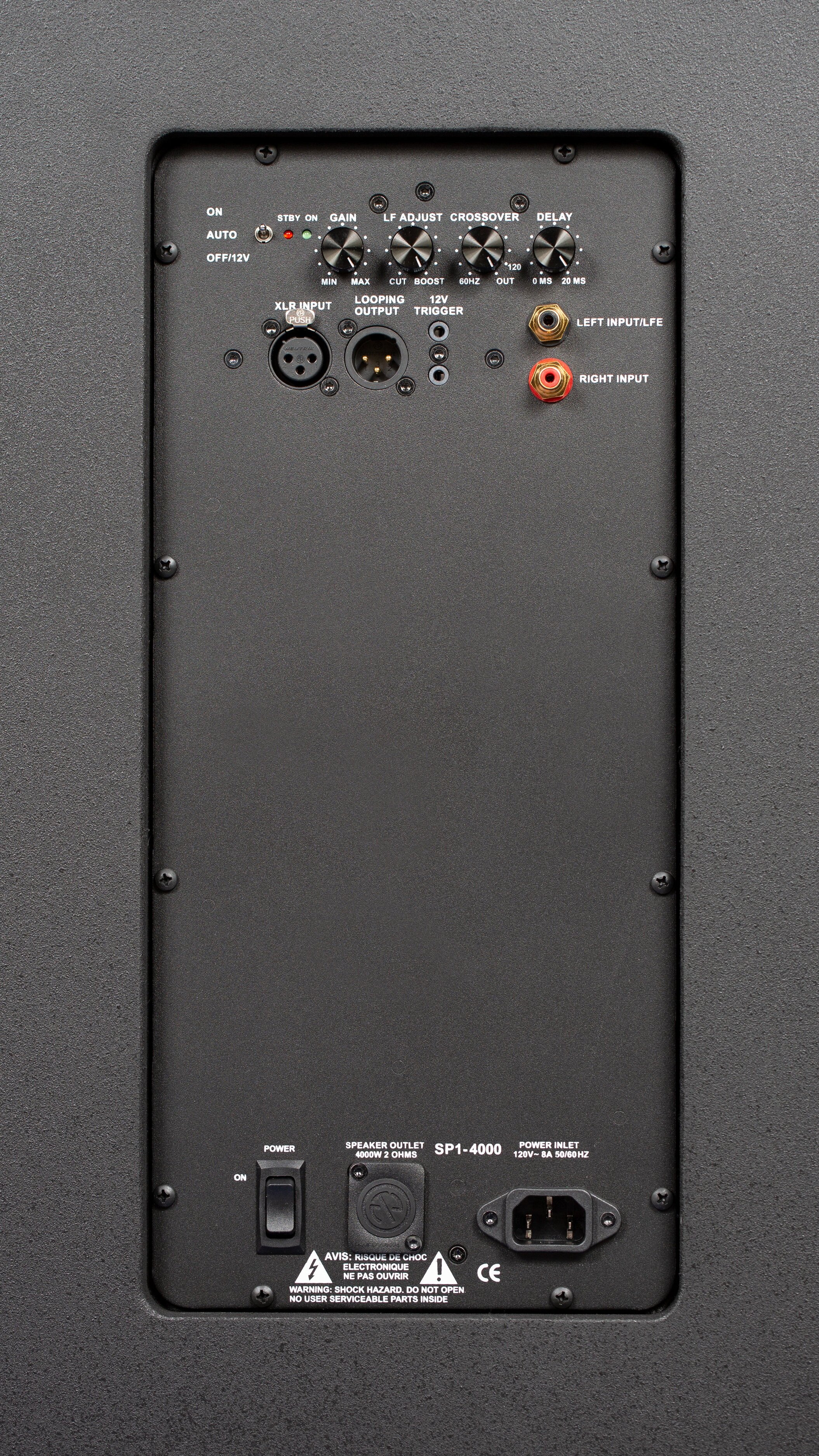
The JTR Captivator RS2 Subwoofer is our best overall choice for a home theater where a sealed design and substantial driver and amplifier specifications are priorities. It combines dual 18-inch high-excursion drivers with a 4000-watt RMS Class D amplifier, and its balanced XLR and RCA inputs give system builders two documented connection options. Its published outdoor frequency response is 22 Hz–600 Hz ±3 dB; that figure is not interchangeable with in-room response. The stated dimensions, 40 × 21 × 18 inches, are useful when planning placement, but still call for measuring the intended location and access route. This model is a focused fit for a system whose owner values its specific combination of sealed construction, driver configuration, and connections.
Best for Home theater systems seeking a sealed subwoofer with dual 18-inch drivers and XLR or RCA inputs.
| Enclosure design | Sealed powered subwoofer |
|---|---|
| Drivers | Dual 18-inch high-excursion drivers |
| Amplifier | 4000 watts RMS Class D |
Pros
- Sealed powered design.
- Dual 18-inch high-excursion drivers.
- Balanced XLR and RCA inputs.
Cons
- Published dimensions make placement checks important.
- The published outdoor response does not describe every room's response.
Buy if You want a sealed design, a 4000-watt RMS Class D amplifier, and documented XLR and RCA connections.
Skip if You need a compact unit or your setup calls for features not listed for this model.
Sources: Product source
2. RBH Sound UNRIVALED 21-SF/R Ultimate Subwoofer System Alternative Pick
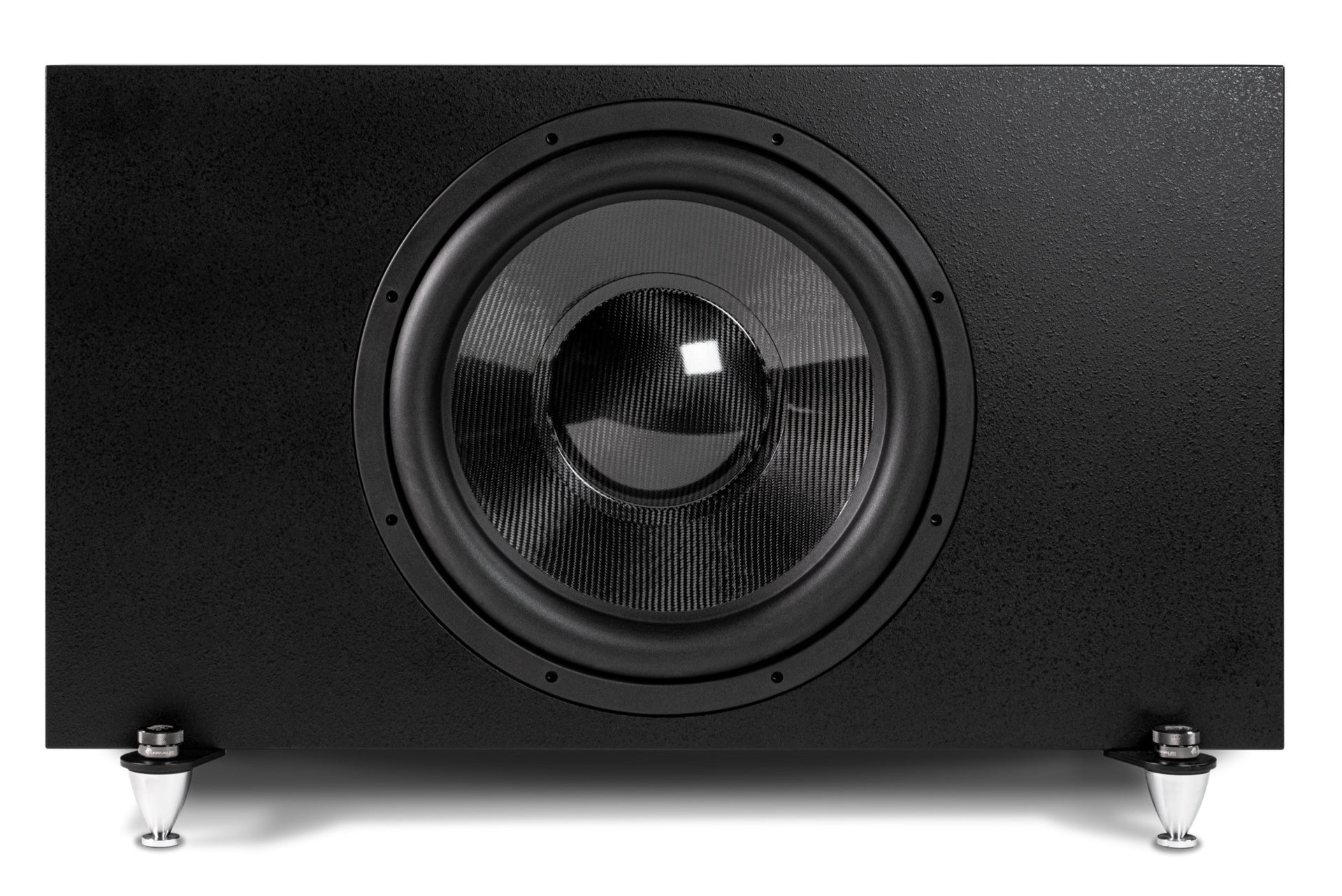
The RBH Sound UNRIVALED 21-SF/R Ultimate Subwoofer System is a useful alternative for shoppers drawn to its documented 21-inch carbon-fiber driver and stated frequency response down to 10Hz. Its 4,000-watt Class D amplifier and DSP control are also relevant when matching it with a home theater system. The product information describes an acoustic damping system intended to reduce cabinet resonance. These features make it a particularly relevant option when the stated low-frequency range and DSP are central to your shortlist. If dimensions or connection details matter to your setup, confirm them with the seller before deciding how the subwoofer will fit into your room and electronics setup.
Best for Shoppers prioritizing a documented 21-inch carbon-fiber driver and stated response down to 10Hz.
| Driver | 21-inch carbon fiber |
|---|---|
| Amplifier | 4,000 watts; Class D |
| Frequency response | Down to 10Hz |
Pros
- Documented 21-inch carbon-fiber driver.
- DSP control for integration with front speakers.
- Acoustic damping system to reduce cabinet resonance.
Cons
- Confirm the subwoofer’s dimensions if placement space is a constraint.
- Confirm the input connections if compatibility with your electronics is important.
Buy if You want DSP control and the listed 4,000-watt Class D amplifier.
Skip if You need verified dimensions or input details before narrowing your options.
Sources: Product source
3. Perlisten Audio D215s Subwoofer Another Option
The Perlisten Audio D215s Subwoofer is the most control-focused option in this guide based on its documented app and processing features. Its app supports control of up to eight subwoofers, and each woofer has three banks of ten PEQs. That may appeal to someone planning a multi-subwoofer system or wanting adjustment options through the app. The D215s also has a 3kW smart amplifier with a 32-bit ARM core, a 2.4-inch TFT touchscreen, and a dual-woofer push-pull configuration. If driver size or frequency response is important to your decision, confirm those specifications before choosing.
Best for Home theater owners who value app control for a multi-subwoofer setup.
| Amplifier | 3kW smart amplifier |
|---|---|
| App control | iOS and Android app control for up to 8 subwoofers |
| Woofer configuration | Dual woofer push-pull configuration |
Pros
- App control for up to eight subwoofers.
- Three banks of ten PEQs per woofer.
- 2.4-inch TFT touchscreen.
Cons
- Confirm driver-size specifications if they are important to your choice.
- Confirm frequency-response specifications if they are important to your choice.
Buy if You want app control for up to eight subwoofers and documented PEQ options.
Skip if You need driver-size or frequency-response specifications confirmed before choosing.
Sources: Product source
How did we choose these recommendations?
- Compared published specifications and documented features relevant to home theater use.
- Considered driver and enclosure information where it was documented.
- Compared amplification and stated frequency-response information without estimating performance beyond those specifications.
- Looked at documented connection, DSP, and app-control features that may help with system integration.
We researched and compared published product specifications, documented features, and the sources linked beside each pick.
What should you look for when choosing subwoofer for home theater?
Match the subwoofer to the job
Decide what matters most before comparing models: sealed construction, a particular documented driver configuration, stated response, or adjustment options. The JTR is the sealed-design choice in this lineup. RBH lists a 21-inch carbon-fiber driver and response down to 10Hz. Perlisten emphasizes app control and system adjustments. Treat these as different reasons to shortlist a product, not as interchangeable claims about sound.
Check dimensions and placement
Measure the intended location and the route through doors or hallways. The JTR's published dimensions are 40 × 21 × 18 inches, which can guide that check. Ask the seller for dimensions for any model you are considering if space or access is a constraint. Also consider where cables and controls need to reach in your actual layout.
Confirm connections and control
Compare the listed connection and adjustment features with your electronics and installation plan. JTR specifies balanced XLR and RCA inputs. RBH lists DSP control for integration with front speakers. Perlisten documents app control, PEQ banks, and a touchscreen. Confirm any must-have connection or control feature with the seller before placing an order.
Read response specifications carefully
A frequency-response statement is useful only when read in its stated context. JTR publishes an outdoor response of 22 Hz–600 Hz ±3 dB; RBH states response down to 10Hz. They are not presented in the same format, so avoid treating them as a direct head-to-head measurement. Consult Perlisten's product specifications if you need a response figure for comparison. Use these specifications as part of your decision, not as a guarantee of a particular room result.
Choose features you will actually use
More controls are valuable when they address a real setup need. Perlisten's app can control up to eight subwoofers, and each woofer has three banks of ten PEQs. RBH's DSP is described for integration with front speakers. JTR lists XLR and RCA inputs and gives published dimensions for planning. Consider which tools match your processor, room plan, and willingness to adjust the system rather than choosing by feature count alone.
Which subwoofer is the best overall for home theater?
The JTR Captivator RS2 Subwoofer earns the overall pick because its documented combination is straightforward to compare: sealed powered construction, dual 18-inch high-excursion drivers, and a 4000-watt RMS Class D amplifier. It also lists balanced XLR and RCA inputs, useful information when checking compatibility with your system. The published outdoor frequency response is 22 Hz–600 Hz ±3 dB; keep that context in mind rather than treating it as a promise for every room.
The fit is not universal. Its listed dimensions are 40 × 21 × 18 inches, so check both the planned position and how the subwoofer will get there. Choose it for the sealed design and documented driver, amplifier, and connection combination. If your main priority is a stated response down to 10Hz, compare the RBH instead. If app-based adjustment of multiple subwoofers matters most, the Perlisten has that documented feature.
What should you compare before choosing a home theater subwoofer?
Start with the details that connect directly to your system: enclosure design, driver information, amplifier specification, connections, and any stated frequency response. Those details are not interchangeable. For example, the JTR lists an outdoor response with a tolerance, while the RBH states response down to 10Hz. Read each figure as written rather than treating the numbers as directly equivalent.
Next, decide which setup tools matter. The RBH lists DSP control for integration with front speakers. The Perlisten documents app control for up to eight subwoofers and three banks of ten PEQs per woofer. The JTR lists XLR and RCA inputs and has published dimensions. Confirm any must-have connection, control, or dimension details with the seller before committing.
FAQ
What is the best subwoofer for home theater in this guide?
The JTR Captivator RS2 Subwoofer is our best overall pick. Its documented combination includes sealed powered construction, dual 18-inch high-excursion drivers, and a 4000-watt RMS Class D amplifier. It also lists balanced XLR and RCA inputs. Its published dimensions are worth checking against your space before choosing. The RBH and Perlisten may better suit shoppers prioritizing their respective response or control features.
Which model has a stated response down to 10Hz?
The RBH Sound UNRIVALED 21-SF/R Ultimate Subwoofer System is listed with frequency response down to 10Hz. That is the product's documented figure; it should not be treated as a guarantee of the same result in every room. Consider it alongside the other listed features, including its 21-inch carbon-fiber driver and DSP control, and verify any connection or placement requirements that matter to your system.
Which subwoofer offers app control for multiple units?
The Perlisten Audio D215s Subwoofer has documented iOS and Android app control for up to eight subwoofers. Its listed adjustment options include three banks of ten PEQs per woofer. That makes it a relevant choice if app-based adjustment is a priority. Check that the product's control approach fits your planned setup before making a decision.
Does the JTR include both XLR and RCA inputs?
Yes. Balanced XLR and RCA inputs are listed for the JTR Captivator RS2 Subwoofer. Those details can help you compare it with your existing electronics. Its listed dimensions are 40 × 21 × 18 inches, another useful detail for planning. Check your actual system and placement requirements rather than assuming that any one connection or physical arrangement will suit every installation.
Are the frequency-response figures directly comparable?
Not as presented. The JTR lists an outdoor response of 22 Hz–600 Hz ±3 dB, while RBH states response down to 10Hz. Consult Perlisten's product specifications if you need its response figure for comparison. Keep each specification in its stated form and avoid treating it as a prediction of performance in a particular room. Room setup and product specifications are different considerations.
What should I check before ordering?
Confirm that the model's documented features suit your system: inputs, controls, driver or enclosure design, and any stated response figure you consider important. Measure the intended position and access route, and ask the seller for dimensions if they matter to your setup. Search Amazon using the exact product name to review current purchase options.
Which subwoofer for home theater should you buy?
For most homes, start with the JTR Captivator RS2 Subwoofer. For another option, compare the RBH Sound UNRIVALED 21-SF/R Ultimate Subwoofer System. Need the use-case pick? Consider the RBH Sound UNRIVALED 21-SF/R Ultimate Subwoofer System.
- Best Overall: JTR Captivator RS2 Subwoofer
- Alternative Pick: RBH Sound UNRIVALED 21-SF/R Ultimate Subwoofer System
- Another Option: Perlisten Audio D215s Subwoofer
When was this guide last updated?
- November 07, 2026: Editorial research prepared. Product specifications and source images reviewed.