


EcoFlow DELTA Pro Ultra
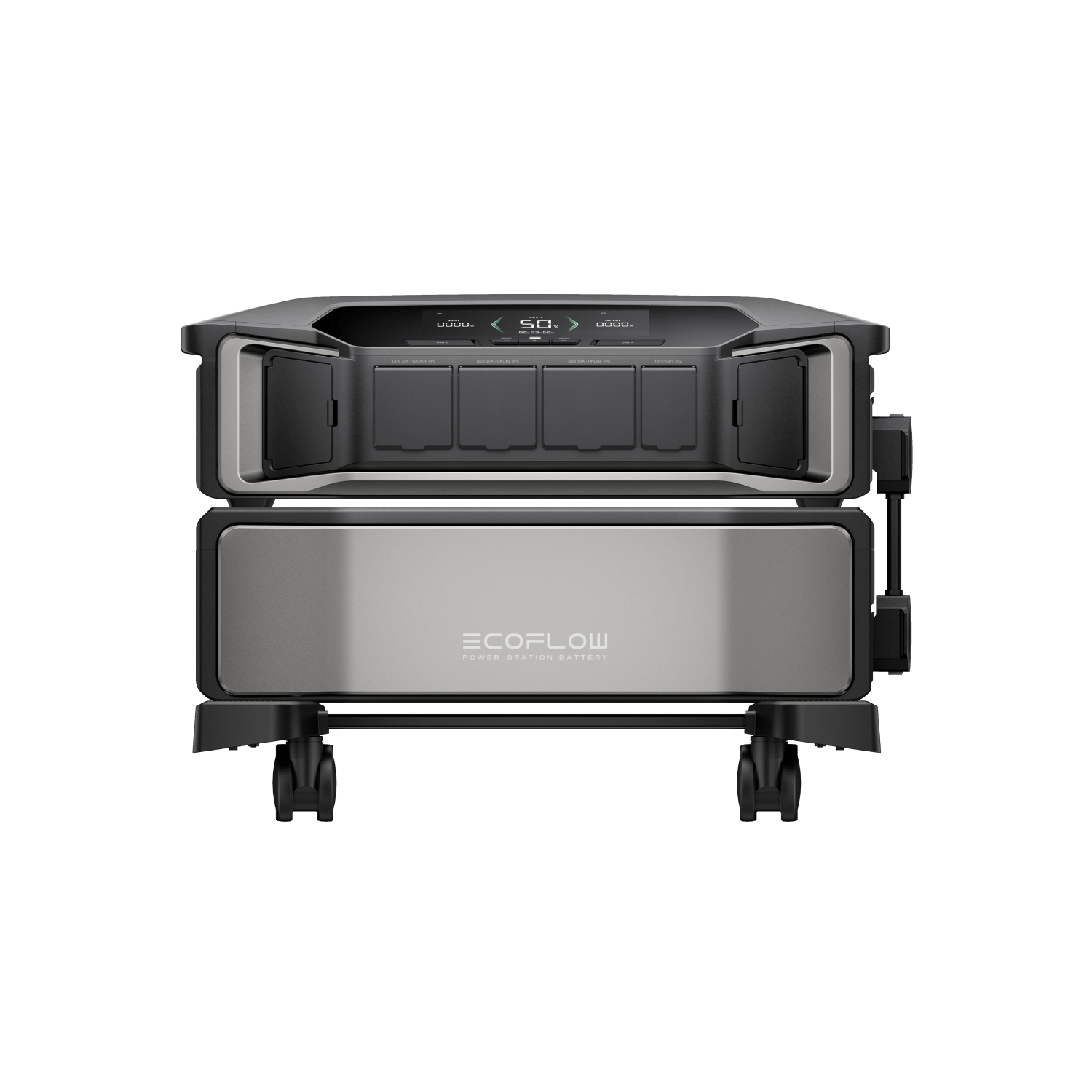
- Output range: 7.2–21.6 kW
- Published capacity range: 6 kWh–90 kWh
- Safety certifications: UL1973 and UL9540
EcoFlow Delta Pro

- Rated AC output: 3600 W
- Expandable capacity: 3.6–25 kWh
- Battery chemistry and cycle count: LFP battery; 6500 cycles
Nature's Generator Powerhouse 6500W
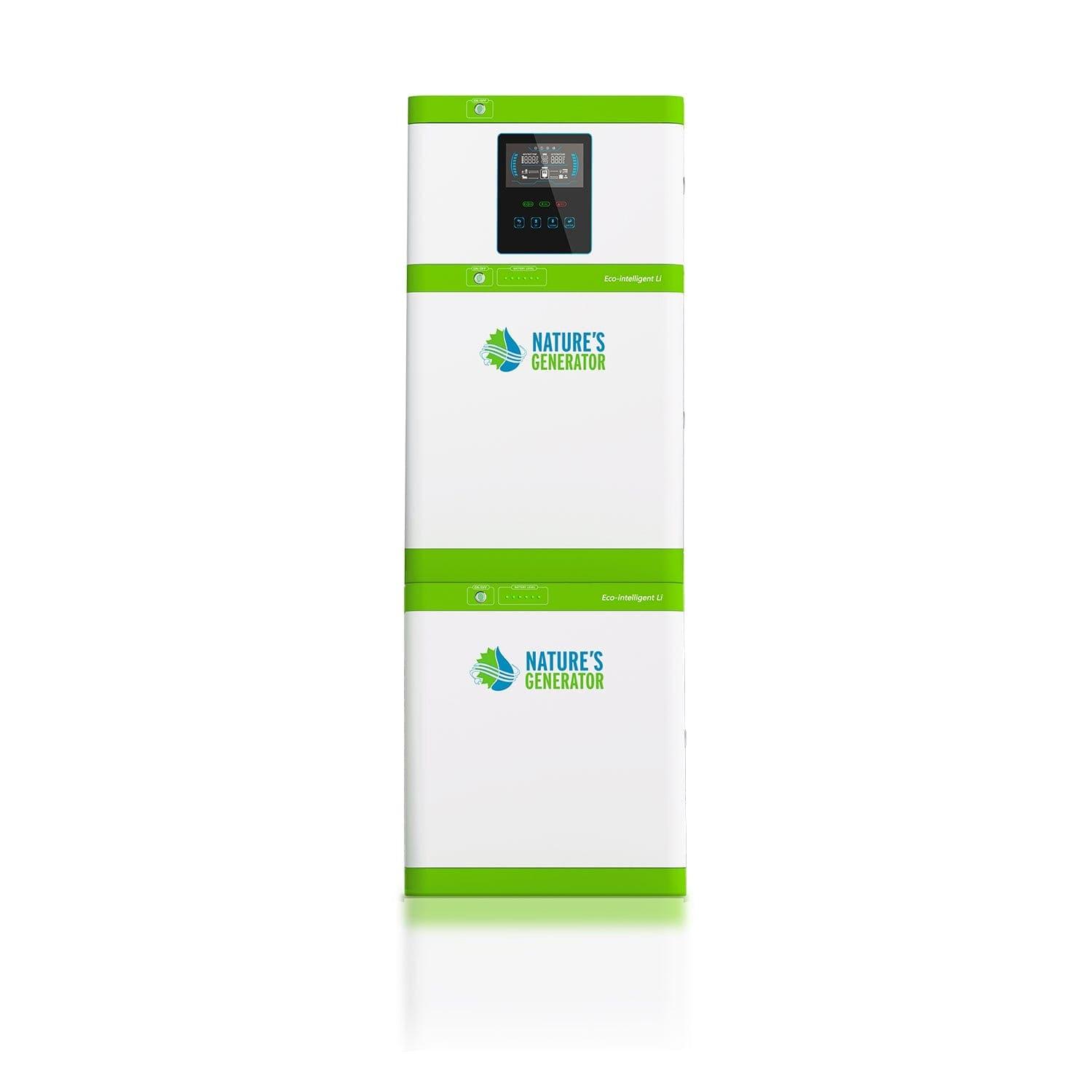
- AC output and rated power: 230Vac, 6500 Watts
- Battery capacity and chemistry: 10080Wh LiFePO4
- Solar charging input: 7200W
The EcoFlow DELTA Pro Ultra is our best overall home solar generator pick for shoppers planning substantial home backup: its published output and capacity ranges, five charging options and Smart Home Panel capability support a configurable setup. Nature's Generator Powerhouse 6500W and EcoFlow Delta Pro are useful alternatives for different output and expandability priorities.
For the wider category, see the full lawn and garden equipment comparison.
For a related need, compare our best dethatcher for home use.
How do our recommended picks compare?
| Product | Best for | Output | Capacity | Solar charging input |
|---|---|---|---|---|
| EcoFlow DELTA Pro Ultra | Configurable home backup | 7.2–21.6 kW | 6 kWh–90 kWh | 5600W total |
| Nature's Generator Powerhouse 6500W | Defined output and solar input | 230Vac, 6500 Watts | 10080Wh LiFePO4 | 7200W |
| EcoFlow Delta Pro | Expandable portable backup | 3600 W rated AC output | 3.6–25 kWh expandable | 1600W max |
Which home solar generator options should you compare?
1. EcoFlow DELTA Pro Ultra Best Overall
The EcoFlow DELTA Pro Ultra is our best overall pick for shoppers considering a larger, configurable home backup system. Its published output range is 7.2–21.6 kW, and its capacity range is 6 kWh–90 kWh, giving buyers room to choose a setup around their backup needs. The Smart Home Panel capability is documented with automatic switchover, prolonged backup and circuit control; the product page also lists five charging options and automatic battery self-heating below 32°F. Those features make it a strong candidate when system planning matters as much as the base unit. The tradeoff is that a home-panel setup involves additional equipment and qualified installation planning.
Best for Homeowners planning a configurable, higher-output backup system.
| Output range | 7.2–21.6 kW |
|---|---|
| Published capacity range | 6 kWh–90 kWh |
| Safety certifications | UL1973 and UL9540 |
Pros
- Published output and capacity ranges support configurable backup planning.
- Smart Home Panel capability includes automatic switchover and circuit control.
- Documented automatic battery self-heating below 32°F.
Cons
- A home-panel setup requires additional planning and qualified installation.
- The range of configurations may require careful selection before purchase.
Buy if You want a system with documented capacity expansion and Smart Home Panel capability.
Skip if You want a simple standalone unit and do not need the documented home-panel or expansion features.
Sources: Product source
2. Nature's Generator Powerhouse 6500W
The Nature's Generator Powerhouse 6500W is a good match for shoppers who want a documented 230Vac, 6500-watt pure sine wave output and a sizable included battery. Its listed battery capacity is 10080Wh, using LiFePO4 chemistry, and its solar charging input is 7200W. The product information also identifies an Eco-Intelligent Li battery management system and a 10ms uninterrupted power supply transfer time. Together, those published features give buyers useful details for assessing a solar-charging and backup setup. Its listed battery capacity gives shoppers a specific figure to compare with their planned loads and backup needs.
Best for Shoppers prioritizing a defined output rating and documented solar input.
| AC output and rated power | 230Vac, 6500 Watts |
|---|---|
| Battery capacity and chemistry | 10080Wh LiFePO4 |
| Solar charging input | 7200W |
Pros
- Published pure sine wave output is rated at 6500 watts.
- Includes a documented 10080Wh LiFePO4 battery.
- Lists 7200W solar charging input.
Cons
- The listed battery capacity is 10080Wh, so compare it with the energy needs of your planned backup loads.
- Its listed output and battery figures may not suit every home's backup plan.
Buy if You want a pure sine wave system with a 10080Wh LiFePO4 battery and listed 7200W solar input.
Skip if You need a different format than this model offers for your space and routine.
Sources: Product source
3. EcoFlow Delta Pro Alternative Pick
The EcoFlow Delta Pro is a useful alternative for buyers who want a portable power station with a clearly documented rated output and a wide expandable capacity range. Its rated AC output is 3600 W, and published capacity is expandable from 3.6–25 kWh with the DELTA Pro Smart Extra Battery. The documented LFP battery and 6500-cycle figure offer additional points to consider when comparing systems, while the unit also lists 15 output ports. This makes it relevant for shoppers balancing portable power with potential home-backup expansion. Its tradeoff versus the EcoFlow DELTA Pro Ultra is the lower stated rated AC output; choose according to your loads and planned configuration, rather than assuming either fits every home.
Best for Shoppers seeking a portable power station with a documented expansion path.
| Rated AC output | 3600 W |
|---|---|
| Expandable capacity | 3.6–25 kWh |
| Battery chemistry and cycle count | LFP battery; 6500 cycles |
Pros
- Documented expandable capacity reaches 3.6–25 kWh.
- Rated AC output is listed as 3600 W.
- Lists 15 output ports.
Cons
- Its rated AC output is lower than the published range for the EcoFlow DELTA Pro Ultra.
- Expansion depends on adding the documented extra battery equipment.
Buy if You want 3600 W rated AC output and a published expandable capacity of 3.6–25 kWh.
Skip if You need a different format than this model offers for your space and routine.
Sources: Product source
How did we choose these recommendations?
- Compared published output and battery-capacity specifications to distinguish systems intended for different backup needs.
- Compared listed solar-charging inputs and charging options across the products.
- Considered published capacity expansion and home-panel features when assessing home-backup configurations.
- Matched each recommendation to a defined use case using published product specifications.
We researched and compared published product specifications, documented features, and the sources linked beside each pick.
What should you look for when choosing home solar generator?
Size for the loads you actually need
Write down which appliances or circuits matter during an outage and identify their electrical requirements. Compare those needs with the product's published output and capacity, but do not infer runtime from capacity alone. A larger listed capacity does not automatically mean every device can run together. For a panel connection or transfer setup, have a qualified electrician review your plan and confirm the selected configuration is suitable.
Separate output from stored energy
Output and capacity answer different shopping questions. Output describes the product's stated power capability; capacity describes its stored energy. Compare like with like across products, and check the exact configuration rather than assuming every bundle has the same battery arrangement. The EcoFlow Delta Pro publishes both rated AC output and expandable capacity, while the Nature's Generator Powerhouse 6500W gives a specific output and battery figure.
Make a solar-recharge plan
If solar charging is central to your purchase, compare the product's listed solar input with the panels and wiring you intend to use. The Nature's Generator Powerhouse 6500W lists 7200W solar input, the EcoFlow DELTA Pro Ultra lists 5600W total solar charging input, and the EcoFlow Delta Pro lists 1600W maximum solar charging input. Verify panel compatibility and the requirements for your exact configuration before connecting equipment. Do not assume an input rating predicts daily solar production.
Decide whether you need expansion
A system with expandable capacity may be a useful fit if your backup needs could change, but expansion also affects the configuration you must plan and purchase. The EcoFlow Delta Pro's documented 3.6–25 kWh range depends on its Smart Extra Battery. The EcoFlow DELTA Pro Ultra publishes a broad capacity range. Confirm what is included and how the selected additions connect before making your choice.
Plan installation and safe operation
A power station used with a home's electrical system is not a substitute for a correctly planned transfer setup. Use a qualified electrician for panel or transfer-equipment installation and never improvise household wiring connections. If you also use a fuel-burning generator, operate it outdoors, far from openings, and never indoors or in a garage. Review product instructions for the exact system, accessories and charging arrangement you choose.
Which home solar generator is best overall?
The EcoFlow DELTA Pro Ultra earns the best overall position for shoppers planning a configurable home backup system. Its published 7.2–21.6 kW output range and 6 kWh–90 kWh capacity range give buyers concrete system-sizing figures to consider. Those ranges do not tell you how long a particular set of appliances will run; that depends on the loads and selected configuration. They do, however, make this system the clearest fit here for comparing a larger setup with expansion in mind.
Its Smart Home Panel capability is documented with automatic switchover, prolonged backup and circuit control. Those features may suit a homeowner who wants to plan backup around selected circuits rather than simply plugging individual devices into a power station. The tradeoff is that panel-connected backup calls for more planning than a standalone unit. For any home transfer or panel installation, use a qualified electrician. Match the system configuration to your home's electrical requirements before choosing.
What should I compare before choosing a solar generator?
Start with the equipment you want to power and distinguish output from capacity. Output relates to the system's stated power capability; capacity is the stored-energy figure. The EcoFlow Delta Pro lists 3600 W rated AC output and 3.6–25 kWh expandable capacity, while the Nature's Generator Powerhouse 6500W lists 230Vac, 6500 Watts and a 10080Wh battery. These values describe different parts of a backup plan, so do not treat a higher figure in one category as a complete answer.
Next, consider how you expect to recharge and whether you want expansion or home-panel integration. The EcoFlow DELTA Pro Ultra lists five charging options and Smart Home Panel capability. The Nature's Generator Powerhouse 6500W documents 7200W solar charging input. The EcoFlow Delta Pro documents capacity expansion with its Smart Extra Battery. Before purchasing, compare your intended loads, solar setup and preferred connection method with the product's published configuration details. If connecting to a home electrical panel, arrange qualified installation.
FAQ
What is the best home solar generator in this guide?
The EcoFlow DELTA Pro Ultra is the best overall pick for shoppers planning configurable home backup. Its published output and capacity ranges, five charging options and Smart Home Panel capability make it a strong candidate for comparing larger system configurations. Choose a setup based on your loads, charging plan and electrical installation needs.
Which product has the highest documented solar input?
The Nature's Generator Powerhouse 6500W lists 7200W solar charging input. That figure is a published system specification, not a prediction of daily solar production. Check that the panels and wiring you intend to use match the product's requirements, and confirm details for your exact configuration before connecting equipment.
Can a solar generator power a whole home?
The products have different stated output and capacity figures, and the right setup depends on the loads and circuits you want to back up. The EcoFlow DELTA Pro Ultra lists Smart Home Panel capability with circuit control. Have a qualified electrician assess a home-panel or transfer setup and match it to your electrical requirements.
How much capacity do I need for an outage?
There is no single capacity figure that suits every household. Make a list of the equipment you want to power and consider how much and how often it will run. Compare that plan with the capacity of the exact configuration you are considering. Published capacity alone does not establish runtime for a particular collection of appliances.
Do I need an electrician to connect a generator to my home?
Use a qualified electrician for transfer equipment, panel connections or any work involving household wiring. Do not improvise a connection. If you also use a fuel-burning generator, operate it outdoors, far from openings, and never indoors or in a garage. Follow the selected product's instructions for its specific setup.
Is the EcoFlow Delta Pro expandable?
Yes. Its documented expandable capacity is 3.6–25 kWh with the DELTA Pro Smart Extra Battery. Check the exact configuration and included accessories when choosing a system. Expansion may suit buyers whose backup plan could grow, but the right setup still depends on the appliances and electrical connection they intend to support.
Which home solar generator should you buy?
For most homes, start with the EcoFlow DELTA Pro Ultra. For another option, compare the EcoFlow Delta Pro. Need the use-case pick? Consider the EcoFlow Delta Pro.
- Best Overall: EcoFlow DELTA Pro Ultra
- Alternative Pick: EcoFlow Delta Pro
- Pick 3: Nature's Generator Powerhouse 6500W
When was this guide last updated?
- November 07, 2026: Editorial research prepared. Product specifications and source images reviewed.