


Living.Fit Rubber Flooring Rolls
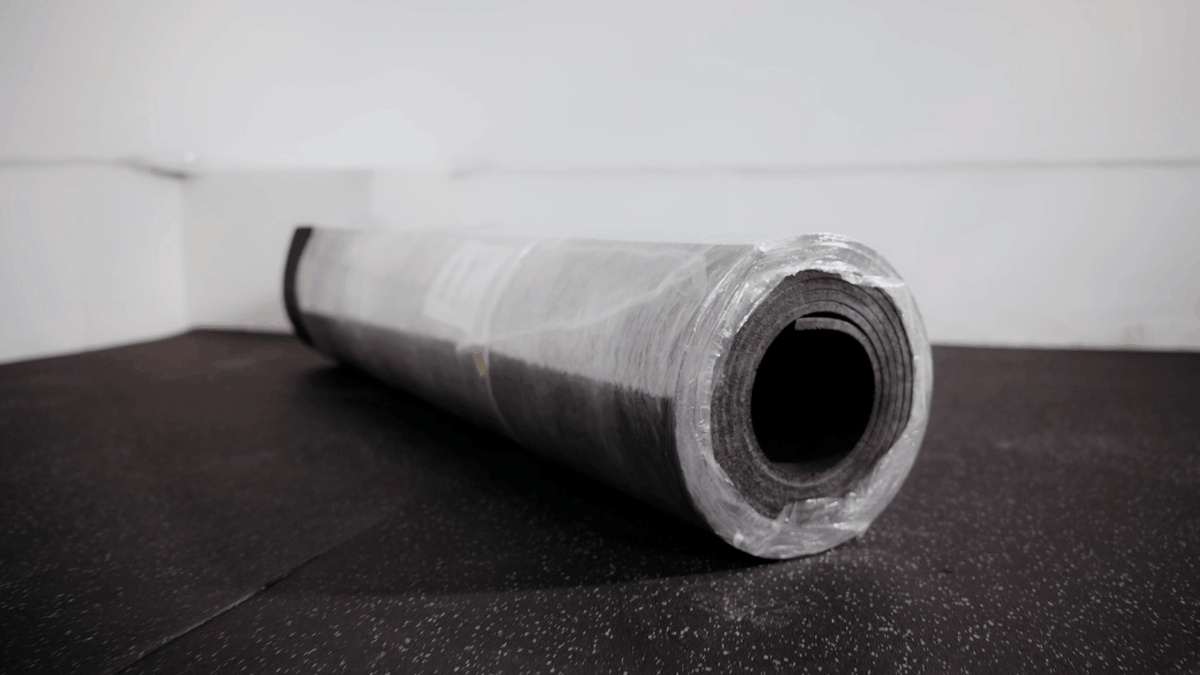
- Thickness and width: Five thicknesses, 1/4 inch to 3/4 inch; 4-foot width
- Cutting: Custom cut to length
- Warranty: 5 years
Tractor Supply 3/4″ Rubber Stall Mats

- Dimensions: 4 x 6 feet
- Thickness: 3/4 inch
- Weight: Upwards of 100 pounds
Second Skin Stomp Mat
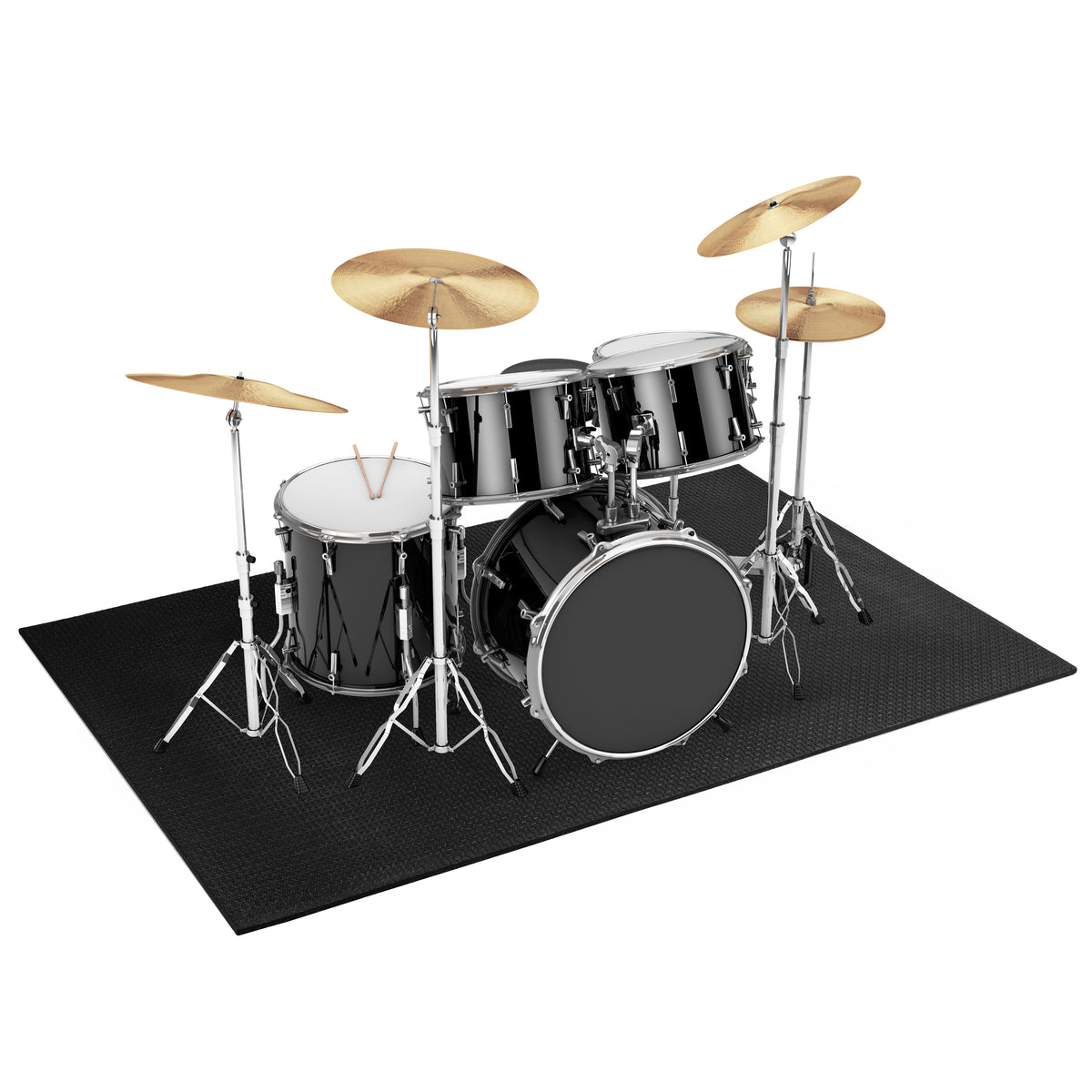
- Dimensions: 6′ L x 4′ W
- Material and color: Black recycled rubber
- Weight: 30 lbs at 0.25-inch thickness; 60 lbs at 0.5-inch thickness
Living.Fit Rubber Flooring Rolls are my best overall pick for a home gym because their custom-cut roll format and range of thicknesses give shoppers flexibility when planning a larger floor area. For a focused noise-reduction setup, consider Second Skin Stomp Mat; for a thick, textured station, consider Tractor Supply 3/4″ Rubber Stall Mats.
For the wider category, see our home gym equipment guide.
For a related need, compare our best bench for home gym.
Another focused comparison is our best affordable treadmill for home.
How do our recommended picks compare?
| Product | Best for | Format or dimensions | Material | Distinguishing feature |
|---|---|---|---|---|
| Living.Fit Rubber Flooring Rolls | Custom-cut roll coverage | 4-foot-wide roll; custom cut to length | Rubber | Five thicknesses, 1/4 inch to 3/4 inch |
| Second Skin Stomp Mat | A focused area where noise reduction matters | 6′ L x 4′ W | Black recycled rubber | Can provide noise reduction in home gyms |
| Tractor Supply 3/4″ Rubber Stall Mats | A thick, textured workout station | 4 x 6 feet | Recycled rubber | 3/4 inch thick |
Which flooring for home gym options should you compare?
1. Living.Fit Rubber Flooring Rolls Best Overall
Best overall for a shopper planning a home-gym floor that needs a roll format rather than a single training mat. The product comes in five thicknesses from 1/4 inch to 3/4 inch, is 4 feet wide, and can be cut to length. That gives you a way to plan the roll around the room instead of treating one mat as the whole floor. It is made in the USA and has a five-year warranty. The tradeoff is that a roll requires you to plan coverage and cuts; it is less of a ready-to-place, single-station solution than a mat. Choose it when you want adaptable roll coverage, not a compact sound-isolation pad.
Best for Home-gym shoppers who want a custom-cut rubber roll and a choice of thicknesses.
| Thickness and width | Five thicknesses, 1/4 inch to 3/4 inch; 4-foot width |
|---|---|
| Cutting | Custom cut to length |
| Warranty | 5 years |
Pros
- Custom cut to length
- Five thicknesses from 1/4 inch to 3/4 inch
- Made in the USA
Cons
- A roll requires a coverage and cutting plan.
- The listed warranty is five years.
Buy if You want a 4-foot-wide roll that can be cut to your chosen length.
Skip if You only need one mat for a specific workout station or noise-reduction use.
Sources: Product source
2. Second Skin Stomp Mat
Best for a home-gym setup where a noise-reduction mat is more relevant than covering a whole room. The mat can provide noise reduction in home gyms, as well as for drum sets and laundry machines. Its 6-foot-by-4-foot format can suit a defined area, and it is made of black recycled rubber. The tradeoff is the mat format: if you want continuous coverage across a larger room, consider how a single mat fits into that plan. It weighs 30 pounds at 0.25-inch thickness and 60 pounds at 0.5-inch thickness, so account for handling when selecting a version. Consider it for a focused area where noise reduction is a priority.
Best for A defined home-gym area where noise reduction is a key consideration.
| Dimensions | 6′ L x 4′ W |
|---|---|
| Material and color | Black recycled rubber |
| Weight | 30 lbs at 0.25-inch thickness; 60 lbs at 0.5-inch thickness |
Pros
- For noise reduction in home gyms
- 6-foot-by-4-foot mat format
- Black recycled rubber
Cons
- A single mat is a focused-area option, not a custom-cut roll.
- Weight varies by thickness.
Buy if You want a mat whose documented use includes noise reduction in home gyms.
Skip if You need a custom-length roll to plan broad room coverage.
Sources: Product source
3. Tractor Supply 3/4″ Rubber Stall Mats Alternative Pick
Best for shoppers who want a thick, textured mat for a designated home-gym station. The product is recycled rubber, 3/4 inch thick, and 4 by 6 feet. Its surface is textured and anti-skid, and the mat is shock- and sound-absorbent. Those features make it a distinct alternative to a custom-cut roll or a mat selected specifically for sound isolation. The practical tradeoff is handling: it weighs upwards of 100 pounds. Consider it when the mat format and surface suit your setup, and plan how you will position it before bringing it into place.
Best for A designated workout station where a thick, textured rubber mat fits the plan.
| Dimensions | 4 x 6 feet |
|---|---|
| Thickness | 3/4 inch |
| Weight | Upwards of 100 pounds |
Pros
- 3/4-inch-thick recycled rubber
- Textured, anti-skid surface
- Documented as shock- and sound-absorbent
Cons
- Weighs upwards of 100 pounds.
- The surface is textured.
Buy if You want a 3/4-inch recycled-rubber mat with a textured, anti-skid surface.
Skip if You need a lighter piece to position or prefer a smooth surface.
Sources: Product source
How did we choose these recommendations?
- Compared product specifications and features relevant to home-gym flooring.
- Considered each product’s format—a roll or a mat—and how it suits different coverage plans.
- Matched features such as Living.Fit’s custom-cut lengths and Second Skin’s home-gym noise-reduction use to shopper priorities.
- Compared practical considerations including weight, surface texture, and format.
We researched and compared published product specifications, documented features, and the sources linked beside each pick.
What should you look for when choosing flooring for home gym?
Measure the intended training area
Record the length and width of the area you want covered, including any boundaries created by equipment or room features. Compare that plan with the 4-foot roll width or the mats’ stated 4-by-6-foot dimensions. If the floor plan is irregular, decide which parts need flooring before selecting a format. This keeps the choice tied to coverage needs rather than to a general label such as “gym flooring.”
Choose between a custom-cut roll and a mat
A roll is worth considering when you want a length selected for your layout; Living.Fit’s documented roll can be custom cut. A mat makes sense when a defined area is the goal. The mats in this guide have stated 4-by-6-foot footprints. Do not assume that separate mats connect or that a roll covers an entire room without planning. Decide how much area you actually need first.
Prioritize the feature that matters most
For a mat that can provide noise reduction in home gyms, compare Second Skin Stomp Mat. For a textured, anti-skid surface that is shock- and sound-absorbent, compare Tractor Supply 3/4″ Rubber Stall Mats. For a roll with multiple thickness choices, compare Living.Fit Rubber Flooring Rolls. Each attribute addresses a different shopping priority.
Account for handling and surface preference
A product’s weight and texture can influence whether it suits your room. Tractor Supply’s mat weighs upwards of 100 pounds, while Second Skin’s weight varies with thickness: 30 pounds at 0.25 inch and 60 pounds at 0.5 inch. The Tractor Supply surface is textured, not smooth. Consider how you will position a mat and whether its surface aligns with the way you intend to use the area. These practical considerations matter alongside measurements.
Verify the product details before ordering
Recheck the selected product’s current specifications and ordering choices before you buy. For a roll, confirm the chosen thickness and required cut length. For a mat, confirm dimensions and weight for the option you intend to order. Keep your measurements nearby and compare the actual product details with your plan. That final check helps prevent a mismatch between a specific product format and the area you meant to cover.
Start with the area you want to cover. A roll and a mat solve different planning problems: Living.Fit Rubber Flooring Rolls are 4 feet wide and can be custom cut to length, while Second Skin Stomp Mat measures 6 by 4 feet and Tractor Supply 3/4″ Rubber Stall Mats measure 4 by 6 feet. A roll is the natural place to start when you want to plan coverage around a room. A mat is easier to evaluate as one defined station or area.
Next, think about what you need the surface to do in your setup. The Second Skin Stomp Mat can provide noise reduction in home gyms. Tractor Supply’s mat is textured, anti-skid, and shock- and sound-absorbent. These are distinct reasons to consider each mat; compare them with the needs of your room.
For broader floor planning, favor the format with dimensions and cutting options that fit your layout. For a specific use area, compare the mat’s size, weight, and surface before deciding.
Measure the area you intend to cover before selecting a product. For a roll, note the required length and compare it with the product’s 4-foot width. Living.Fit Rubber Flooring Rolls can be custom cut to length, so you can plan a length around your space.
For mats, use the stated dimensions to estimate how one piece fits into your workout area. Second Skin Stomp Mat measures 6 feet by 4 feet; Tractor Supply 3/4″ Rubber Stall Mats measure 4 by 6 feet. Those dimensions are similar, but the products differ in their documented attributes and intended tradeoffs.
If you are combining multiple pieces, plan where their edges will meet and whether the resulting coverage suits your equipment arrangement. This is a layout decision, not a claim that the products connect or lock together. Check the product’s current ordering details before committing to a coverage plan.
FAQ
What is the best flooring for a home gym?
For shoppers planning custom-cut roll coverage, Living.Fit Rubber Flooring Rolls are the best overall pick in this guide. The roll is 4 feet wide, can be cut to length, and comes in five thicknesses from 1/4 inch to 3/4 inch. A mat may be a better fit when you only need a defined area or have a specific noise-reduction priority.
Are rubber rolls or mats better for a home gym?
It depends on the coverage plan. Living.Fit Rubber Flooring Rolls offer custom-cut lengths, making the roll format relevant when planning floor coverage. Second Skin Stomp Mat and Tractor Supply 3/4″ Rubber Stall Mats are defined-area mats. Compare the roll width or mat dimensions with your intended layout, then account for the mats’ documented weight and features.
Which option can provide noise reduction in a home gym?
The Second Skin Stomp Mat can provide noise reduction in home gyms, as well as for drum sets and laundry machines. Tractor Supply 3/4″ Rubber Stall Mats are shock- and sound-absorbent. Compare these features with your room and workout setup.
How large are the mats in this guide?
Second Skin Stomp Mat is 6 feet long by 4 feet wide. Tractor Supply 3/4″ Rubber Stall Mats are 4 by 6 feet. Both are mat-format options, while Living.Fit Rubber Flooring Rolls are 4 feet wide and can be custom cut to length. Measure your intended area before deciding which format fits.
Is a heavy mat difficult to position?
The Tractor Supply mat weighs upwards of 100 pounds. That is an important handling consideration before selecting it. Second Skin weighs 30 pounds at 0.25-inch thickness and 60 pounds at 0.5-inch thickness. Check the weight for the option you intend to order and plan positioning around it.
What should I compare before ordering flooring?
Compare the format, dimensions, material, and the feature that matches your priority. Check a roll’s width, thickness choice, and cut length; check a mat’s footprint and weight. Then consider whether features such as noise-reduction use or a textured, anti-skid surface suit your intended area. Verify current ordering details before completing a purchase.
Which flooring for home gym should you buy?
For most homes, start with the Living.Fit Rubber Flooring Rolls. For another option, compare the Tractor Supply 3/4″ Rubber Stall Mats. Need the use-case pick? Consider the Living.Fit Rubber Flooring Rolls.
- Best Overall: Living.Fit Rubber Flooring Rolls
- Alternative Pick: Tractor Supply 3/4″ Rubber Stall Mats
- Pick 3: Second Skin Stomp Mat
When was this guide last updated?
- November 07, 2026: Editorial research prepared. Product specifications and source images reviewed.