


REP Exercise Mat

- Internal padding: 1.5-inch internal foam
- Weight and portability: Lightweight and easy to carry
- Lays flat: Designed to lie flat and not curl at the corners
Nike Training Mat 2.0
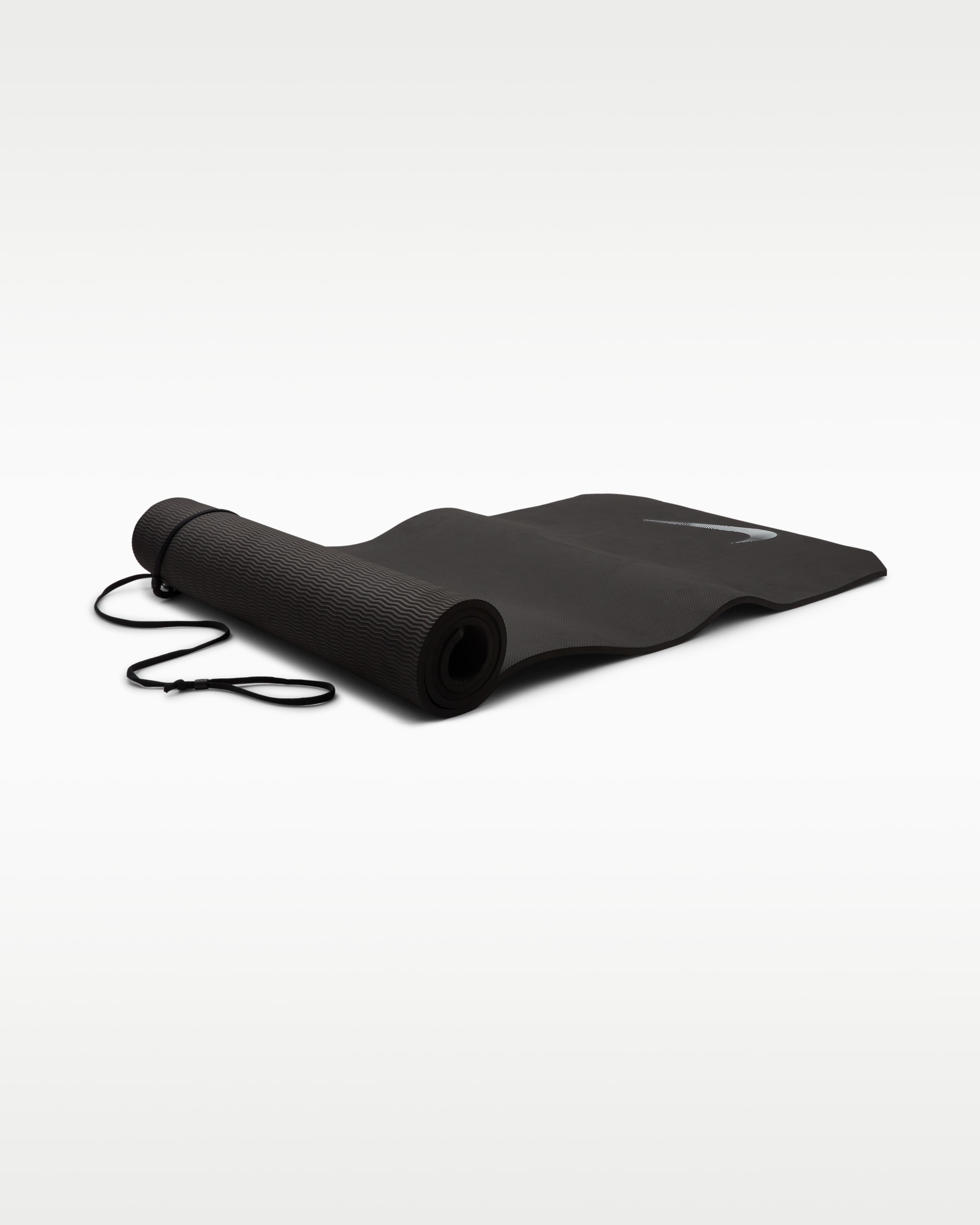
- Dimensions: 71.26 × 24.02 × 0.32 inches
- Storage: Roll-up design facilitates compact storage
- Carrying strap: Adjustable carrying strap
Gxmmat Oversized Mat

- Size: 6 ft × 4 ft
- Layer construction: Three-in-one compression binds the top, middle, and bottom layers
- Cushioning: High-density material with cushioning support for high-impact exercise
For shoppers seeking a thick mat for home workouts, the REP Exercise Mat is the strongest padding-focused choice in this comparison: its 1.5-inch internal foam prioritizes cushioning, and it is designed to lie flat without curling at the corners. This guide compares three mats by their features and suitability for different home setups.
For the wider category, see the full home gym equipment comparison.
For a related need, compare our best home pull up bar.
How do our recommended picks compare?
| Product | Best for | Cushioning or construction | Handling or storage | Footprint or setup |
|---|---|---|---|---|
| REP Exercise Mat | Thick padding for home floor workouts | 1.5-inch internal foam | Lightweight and easy to carry | Designed to lie flat and not curl at the corners |
| Gxmmat Oversized Mat | A larger home workout area | High-density material with cushioning support | Three-in-one compression binds three layers | 6 ft × 4 ft |
| Nike Training Mat 2.0 | Roll-up storage and carrying | High-density foam offers cushioning | Roll-up design and adjustable carrying strap | 71.26 × 24.02 × 0.32 inches |
Which thick exercise mats for home options should you compare?
1. REP Exercise Mat Best Overall
The REP Exercise Mat is the best overall pick for shoppers whose main priority is a noticeably padded surface for home floor exercises. Its documented 1.5-inch internal foam is the clearest thickness-focused feature among these picks, and REP says the mat is designed to lie flat rather than curl at the corners. It is also described as lightweight and easy to carry around an exercise space, which helps when the mat needs to move between sessions. The tradeoff is that this recommendation is centered on padding, not a large shared workout zone or compact roll-up storage. Choose it when cushioning and a stable flat setup matter most; look elsewhere if you need a broad equipment area or a mat explicitly designed to roll away.
Best for Home floor workouts where substantial internal padding is the priority.
| Internal padding | 1.5-inch internal foam |
|---|---|
| Weight and portability | Lightweight and easy to carry |
| Lays flat | Designed to lie flat and not curl at the corners |
Pros
- Documented 1.5-inch internal foam.
- Designed to lie flat without curling at the corners.
- Described as lightweight and easy to carry.
Cons
- If compact roll-up storage is essential, the Nike Training Mat 2.0 is the option here with a stated roll-up design.
- Its recommendation is for individual floor workouts, not a large shared training area.
Buy if You want documented 1.5-inch internal foam and a mat designed to lie flat.
Skip if You need a documented oversized workout area or a roll-up design for storage.
Sources: Product source
2. Gxmmat Oversized Mat
The Gxmmat Oversized Mat is the best fit when one mat needs to cover a larger home workout area. Its documented 6 ft × 4 ft size gives shoppers a concrete footprint to compare with their available floor space. The product is described as combining foam-mat pliability with gym-flooring durability, and its three-in-one compression binds the top, middle, and bottom layers together. The documented high-density material offers cushioning support for high-impact exercises such as kneeling and jumping lunges. Its scale is also the main practical tradeoff: plan where it will sit and how it will be used before selecting it for a smaller exercise nook. Choose this mat when broad floor coverage is the priority, and check that its 6 ft × 4 ft footprint fits your workout area.
Best for Home workouts that benefit from a large, continuous mat area.
| Size | 6 ft × 4 ft |
|---|---|
| Layer construction | Three-in-one compression binds the top, middle, and bottom layers |
| Cushioning | High-density material with cushioning support for high-impact exercise |
Pros
- Documented 6 ft × 4 ft footprint.
- Layered construction binds the top, middle, and bottom layers.
- Documented cushioning support for high-impact exercise.
Cons
- Its large footprint calls for a deliberate floor-space check.
Buy if You have room for a 6 ft × 4 ft mat and want documented layered construction.
Skip if You need a mat with a documented roll-up design or a compact storage feature.
Sources: Product source
3. Nike Training Mat 2.0 Alternative Pick
The Nike Training Mat 2.0 is the practical choice for a home workout routine that needs easy pack-away handling. Its documented roll-up design facilitates compact storage, and an adjustable carrying strap makes it easier to take along. Nike lists dimensions of 71.26 × 24.02 × 0.32 inches. That 0.32-inch figure is a listed mat thickness, while REP's 1.5-inch figure describes internal foam, so the measurements are not directly comparable. The Nike mat is better framed as a portable training surface, with storage and carrying convenience as its clearest distinguishing features here. Its high-density foam is described as offering cushioning for floor workouts.
Best for Home exercisers who want a mat that rolls up and has a carrying strap.
| Dimensions | 71.26 × 24.02 × 0.32 inches |
|---|---|
| Storage | Roll-up design facilitates compact storage |
| Carrying strap | Adjustable carrying strap |
Pros
- Roll-up design facilitates compact storage.
- Adjustable carrying strap supports carrying the mat.
- High-density foam offers cushioning for floor workouts.
Cons
- Its listed thickness is 0.32 inches; REP's 1.5-inch specification describes internal foam, so the figures are not directly comparable.
- The roll-up format differs from a mat designed to stay flat.
Buy if You want a model suited to home exercisers who want a mat that rolls up and has a carrying strap.
Skip if You specifically want a mat with substantially thick documented internal padding.
Sources: Product source
How did we choose these recommendations?
- Compared published specifications and documented product features for all three mats.
- Prioritized evidence directly relevant to home exercise: cushioning, footprint, handling, and storage.
- Matched each recommendation to a specific use rather than treating one mat as the right choice for every home.
- Kept product details to documented facts and used practical setup considerations to explain tradeoffs.
We researched and compared published product specifications, documented features, and the sources linked beside each pick.
What should you look for when choosing thick exercise mats for home?
Start with the workout surface you need
Decide whether you want padding for an individual floor routine or a mat that covers a larger training area. The REP Exercise Mat emphasizes internal foam, while the Gxmmat Oversized Mat documents a 6 ft × 4 ft footprint. A bigger surface is useful only if it fits the room and your regular setup. Check the available floor area before picking a mat based on coverage.
Compare specific cushioning details
Give priority to documented construction details over a general impression of thickness. REP specifies 1.5-inch internal foam. GXMMAT describes high-density material with cushioning support for high-impact exercise. Nike lists a 0.32-inch thickness and describes its high-density foam as cushioning for floor workouts. These details help distinguish the picks, but they do not make every mat equally suited to every movement.
Plan how the mat will be stored
If the mat needs to disappear after exercise, look for an explicit storage feature. Nike’s roll-up design facilitates compact storage, and its adjustable carrying strap supports carrying it. REP says its mat is designed to lie flat and does not recommend folding it. GXMMAT’s documented standout is its larger footprint. Choose a storage approach that fits the room you have rather than assuming all exercise mats fold or roll the same way.
Think about handling between sessions
Moving a mat around the room is different from transporting one. REP is described as lightweight and easy to carry around an exercise space. Nike’s adjustable carrying strap is a documented feature for taking it along. GXMMAT is the large-area choice, so consider the place where it will be used and stored. Base the decision on the feature that directly matches your routine.
Choose the tradeoff you can live with
A thick mat, a large mat, and a compact roll-up mat solve different setup problems. REP is the padding-led choice, GXMMAT is for a broad workout area, and Nike prioritizes roll-up storage and carrying. Compare those distinctions against your planned exercises and room layout. If you are uncertain, identify your non-negotiable first: cushioning, coverage, or convenient pack-away handling.
The REP Exercise Mat is the best overall fit in this comparison for shoppers who put padding first. Its documented 1.5-inch internal foam gives a clear reason to choose it for floor-based sessions, while its design is intended to lie flat and avoid curled corners. It is also described as lightweight and easy to carry around an exercise space. Taken together, those features suit someone who wants a padded mat that can be moved as needed and then placed flat for a workout.
That recommendation is specific to the thick-mat intent: it is not a claim that the REP mat is the best choice for every household. If you want one broad surface to define a larger workout area, the Gxmmat Oversized Mat has the documented larger footprint. If the mat needs to roll up for compact storage, the Nike Training Mat 2.0 is designed for that job. Think first about the workout surface you need, then choose the feature that matters most.
Start by deciding whether the mat is meant to support an individual exercise position or serve as a larger training zone. The Gxmmat Oversized Mat has a documented 6 ft × 4 ft footprint, making it a clear option here for shoppers who want a broad continuous surface. Before choosing it, consider where it will sit during workouts and whether that space can remain available. A larger mat can be useful for an expansive setup, but it asks more of the room than a mat chosen for individual floor exercises.
The REP Exercise Mat and Nike Training Mat 2.0 have different listed measurements and features, so their dimensions should not be treated as interchangeable. REP’s listed features emphasize padding, portability, and lying flat; Nike’s include dimensions and roll-up storage. Measure the space you can actually use, including room to move around the mat. If the workout area needs to be stored between sessions, handling and storage may matter as much as the mat’s footprint.
FAQ
What is the best thick exercise mat for home?
The REP Exercise Mat is the best overall choice in this guide for shoppers prioritizing thickness. Its documented 1.5-inch internal foam is the clearest padding specification among these picks. It is also designed to lie flat rather than curl at the corners, making it a fit for home floor workouts where padding and a flat setup matter.
Which mat is best for a larger home workout area?
The Gxmmat Oversized Mat is the large-area pick, with a documented 6 ft × 4 ft footprint. Its high-density material is described as providing cushioning support for high-impact exercise. Check your available floor space before choosing it, since its larger footprint is central to the reason it stands apart from the other mats.
Which of these exercise mats rolls up for storage?
The Nike Training Mat 2.0 has a documented roll-up design that facilitates compact storage. It also includes an adjustable carrying strap. Those features make it the best fit among these options if you need to put a mat away between sessions or carry it with you.
Is the Nike Training Mat 2.0 the thickest option?
Nike lists a thickness of 0.32 inches, while REP specifies 1.5-inch internal foam. Those measurements describe different things, so they do not establish a like-for-like thickness ranking. Nike’s distinguishing advantages here are its roll-up storage and adjustable carrying strap.
Can the REP Exercise Mat be folded for storage?
REP says the mat is designed to lie flat without curling at the corners. If folding or roll-up storage matters, check with REP before buying. The mat is described as lightweight and easy to move around an exercise space, so consider whether you can store it flat or carry it.
How should I choose between padding and portability?
Choose the REP Exercise Mat if documented internal padding is your priority. Choose the Nike Training Mat 2.0 if compact roll-up storage and an adjustable carrying strap matter more. The Gxmmat Oversized Mat is the alternative when the priority is a larger workout area. Compare those needs with your room and routine.
Which thick exercise mats for home should you buy?
For most homes, start with the REP Exercise Mat. For another option, compare the Nike Training Mat 2.0. Need the use-case pick? Consider the Nike Training Mat 2.0.
- Best Overall: REP Exercise Mat
- Alternative Pick: Nike Training Mat 2.0
- Pick 3: Gxmmat Oversized Mat
When was this guide last updated?
- November 07, 2026: Editorial research prepared. Product specifications and source images reviewed.